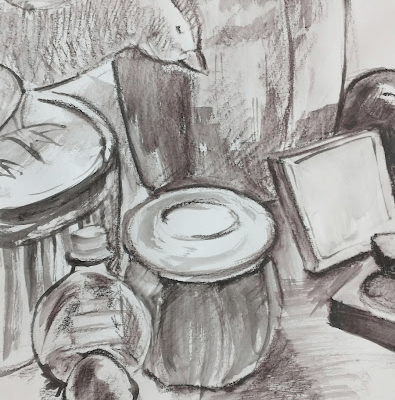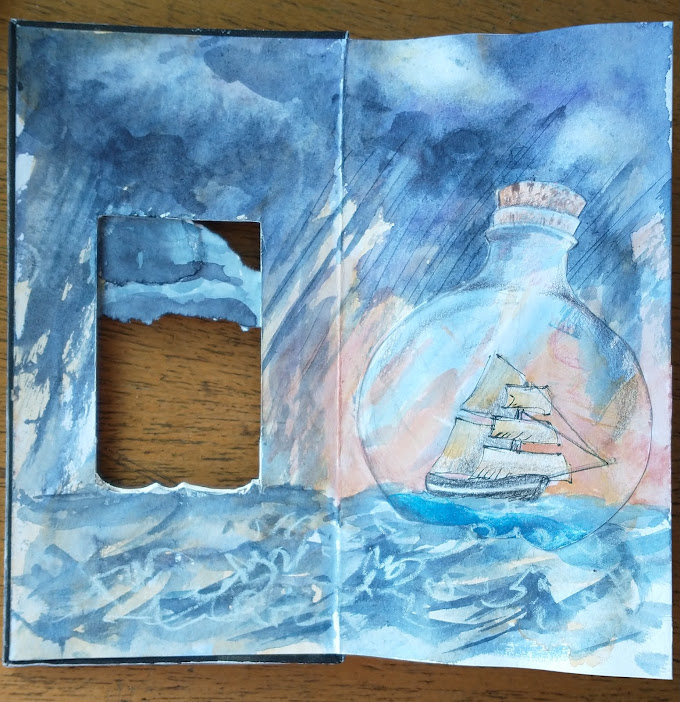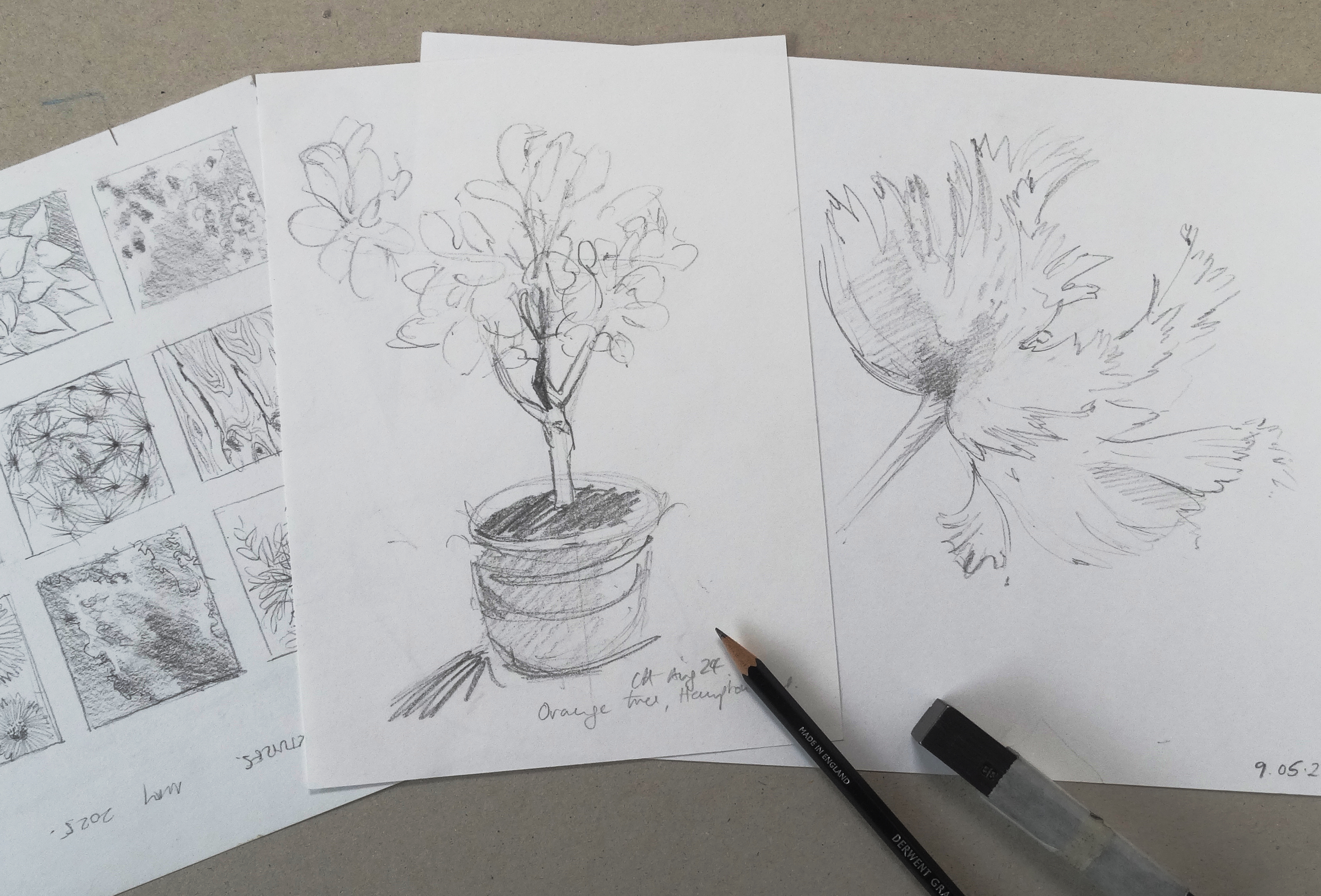
Reasons to Draw.

Drawing textures and outlines to capture the essence of things.

I’m about to start teaching again, and as I prepare for classes I’ve been pondering the reasons for drawing. This year I have taught drawing to both embroiderers and art groups, online, in webinars, visiting groups in person, and on location. As my teaching practice diversifies, I’ve also spent much time thinking and writing about drawing.

For the last nine years I’ve taught art and design for a very functional reason: as a tool for people wanting to produce their own designs for embroidery. There’s no doubt that whatever visual creative endeavour you’re engaged in, being able to draw it out really helps to work out what to do. Draw it out of your thoughts, bring it into being and adjust and play with it, and work out what it could be like with just a pencil and the back of an envelope or any other bit of paper to hand when an idea needs to be captured.(Here’s one of my favourite back-of-the-envelope workings out: the artist Holman Hunt’s sketch for his painting ‘The Light of the World’, in the collection of the Ashmolean museum, Oxford). This is using drawing as a tool, like writing can be, useful for working things out before deciding on a greater commitment of time, resources and effort.

However, if you can release the desire for an outcome, the process itself can become very engaging. As I carry my little sketchbook around (which sometimes I draw in and sometimes I don’t) I look at what’s around me in the moment and what I might want to note down. Looking back through these little books, many only the size of a postcard, I find architectural details drawing with care, a rapid sketch of someone in movement, observations of clouds, colour notes. These aren’t made for any particular purpose, but arise from curiosity about the world and how the energy of it or the essence could be captured.

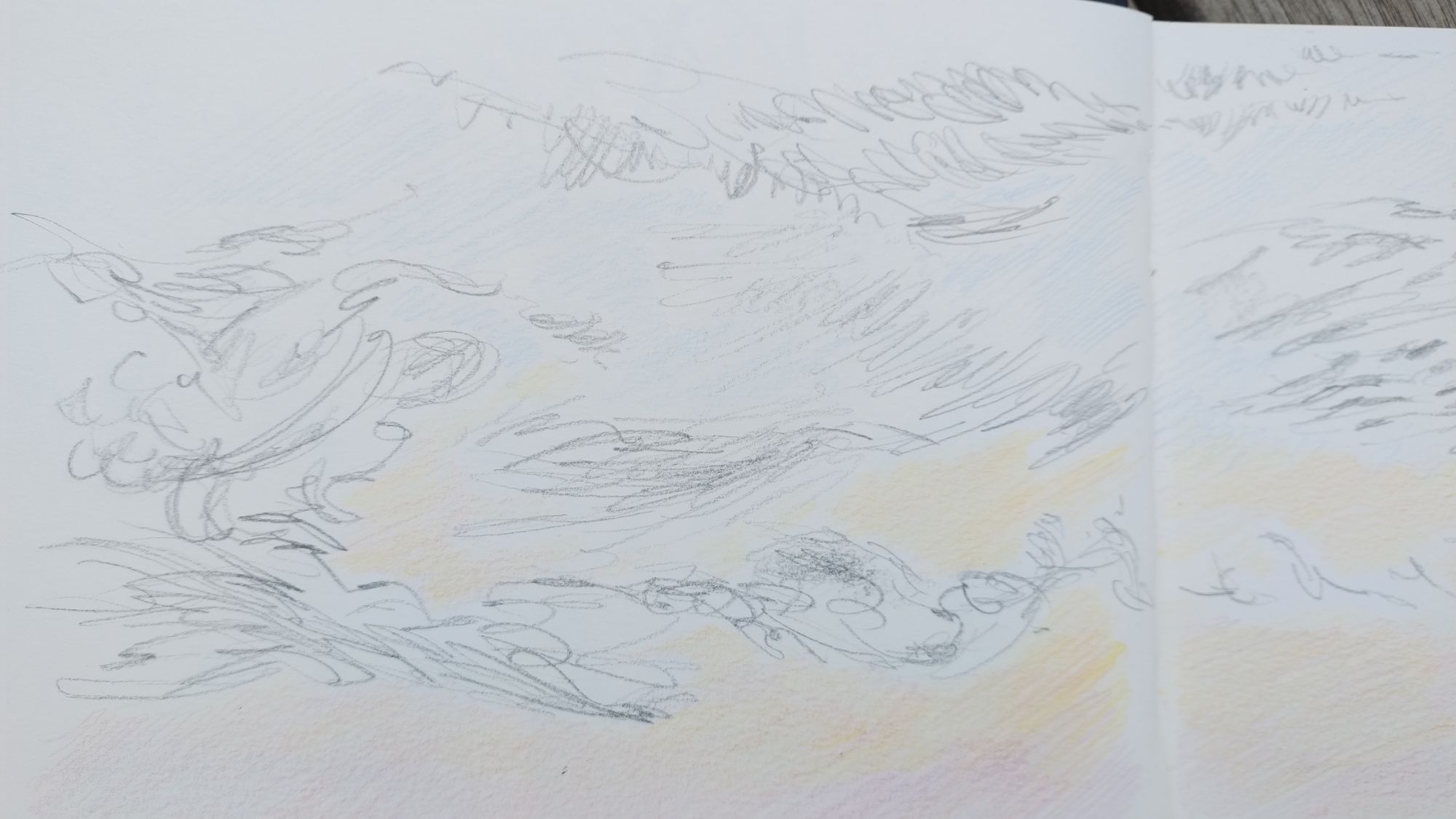
On a recent trip away from home, with some time and space, I spent the evening looking at the sky and wondering how the clouds could be captured with lines. The sky was wide, the landscape flat, and the shape of the cloud system could be seen swirling around the changes of atmospheric pressures.
img_20260922_09350317028517373046366267136.

‘The world is a more beautiful place now’. ‘I’m seeing things in a different way’. ‘I’m noticing things more’. These are some of the comments I’ve most treasured from my students, as they’ve learned to draw; to look for shapes and spaces, play with lines and textures and find ways to express what matters to them.

For me that’s the key thing. Here are the tools, the materials, the methods; take them and find out what you want to do with them. Drawing is a language, and if you allow it, in a spirit of excitement and exploration, delightful and surprising things can emerge.

Whatever your motivation for wanting to draw, come and join me this Autumn.

Drawing for Beginners, starting on Wednesday 7th October.

Thursday Drop-in Drawing, starts 24th September.

Develop Your Watercolour Skills, starts 4th November
Some Quality Time for Yourself

Drawing is an activity you can sink into. It’s become clear over the years I’ve been running this weekend, now in Belton, Lincolnshire, how much the people who come value some time to slow down, and be somewhere beautiful, with nothing but their art to focus on.

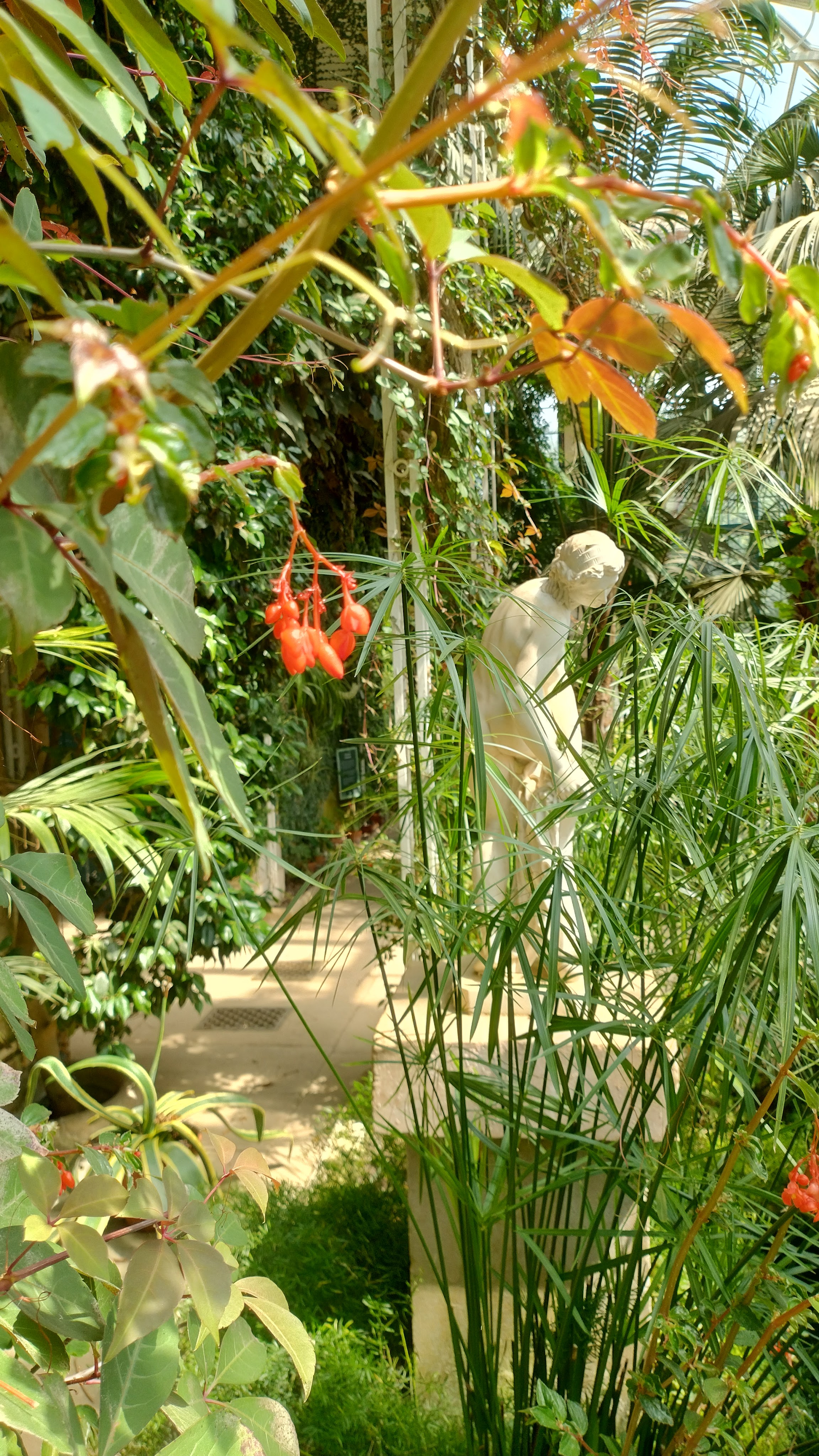
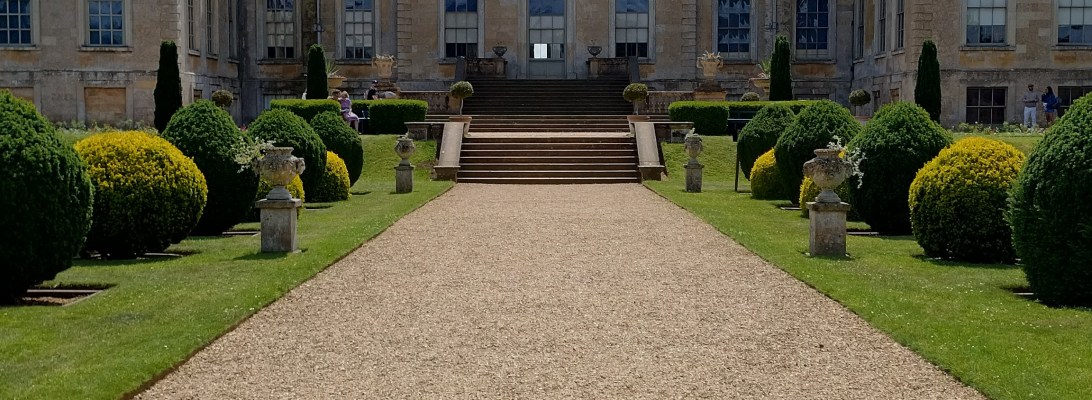
Drawing is a quiet, reflective practice, and drawing from observation can really connect you to a place. Belton is a place where views open up as you walk: light glitters through the rain of the fountain in the glasshouse, statues appear in a gap between the hedges, the house is glimpsed through trees, and a tower appears in the distance between long lines of lime and chestnut trees.

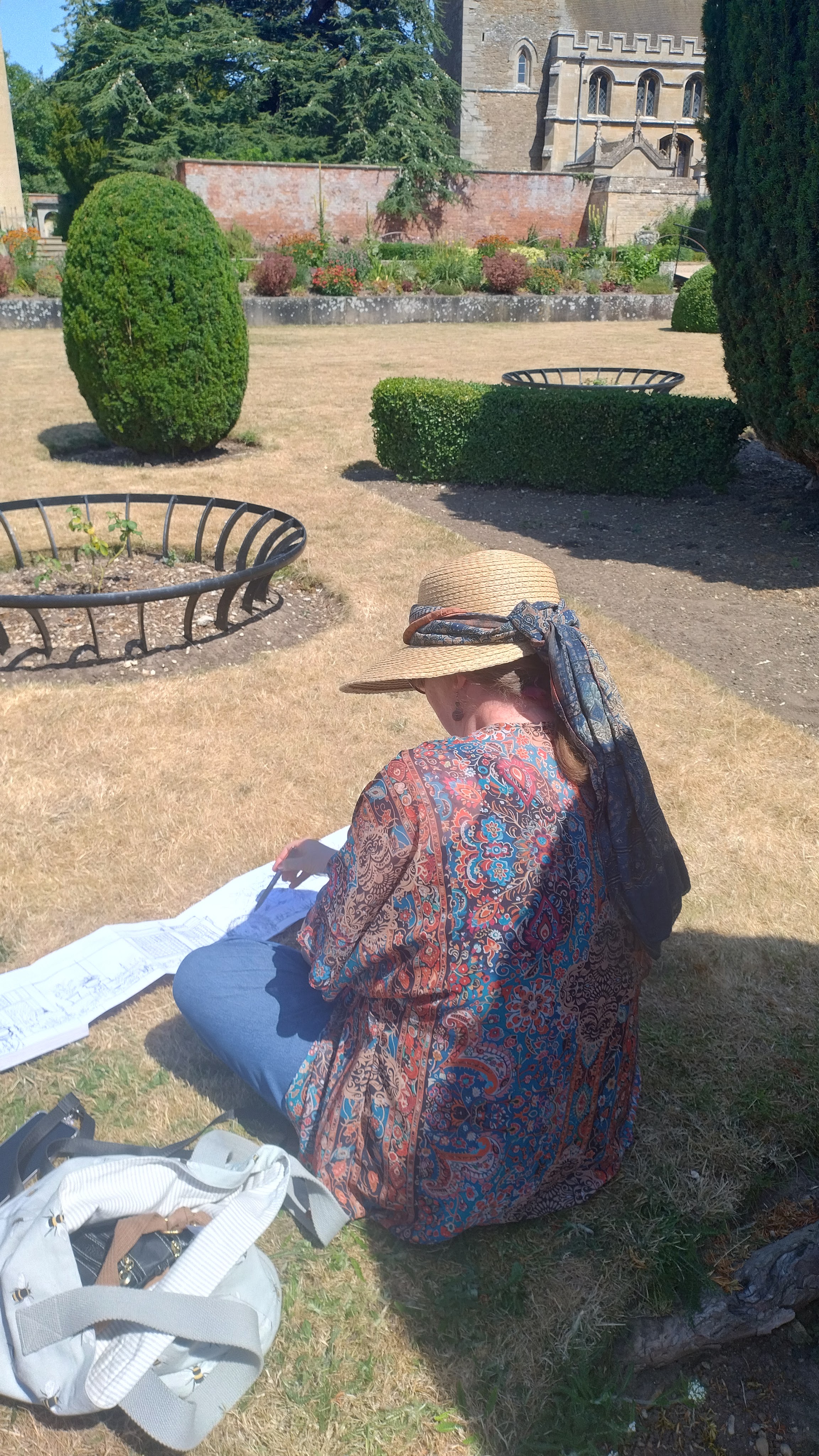
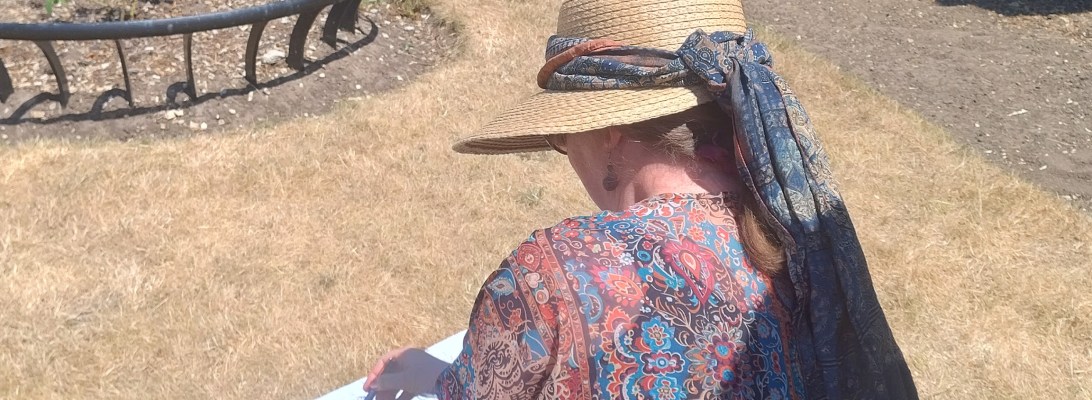
This year’s drawing weekend was hot, really hot -quite a contrast to last year when the rain was persistent and heavy. We chose shady spots to sit in and looked at garden buildings and the house itself, for ways of presenting space and distance.

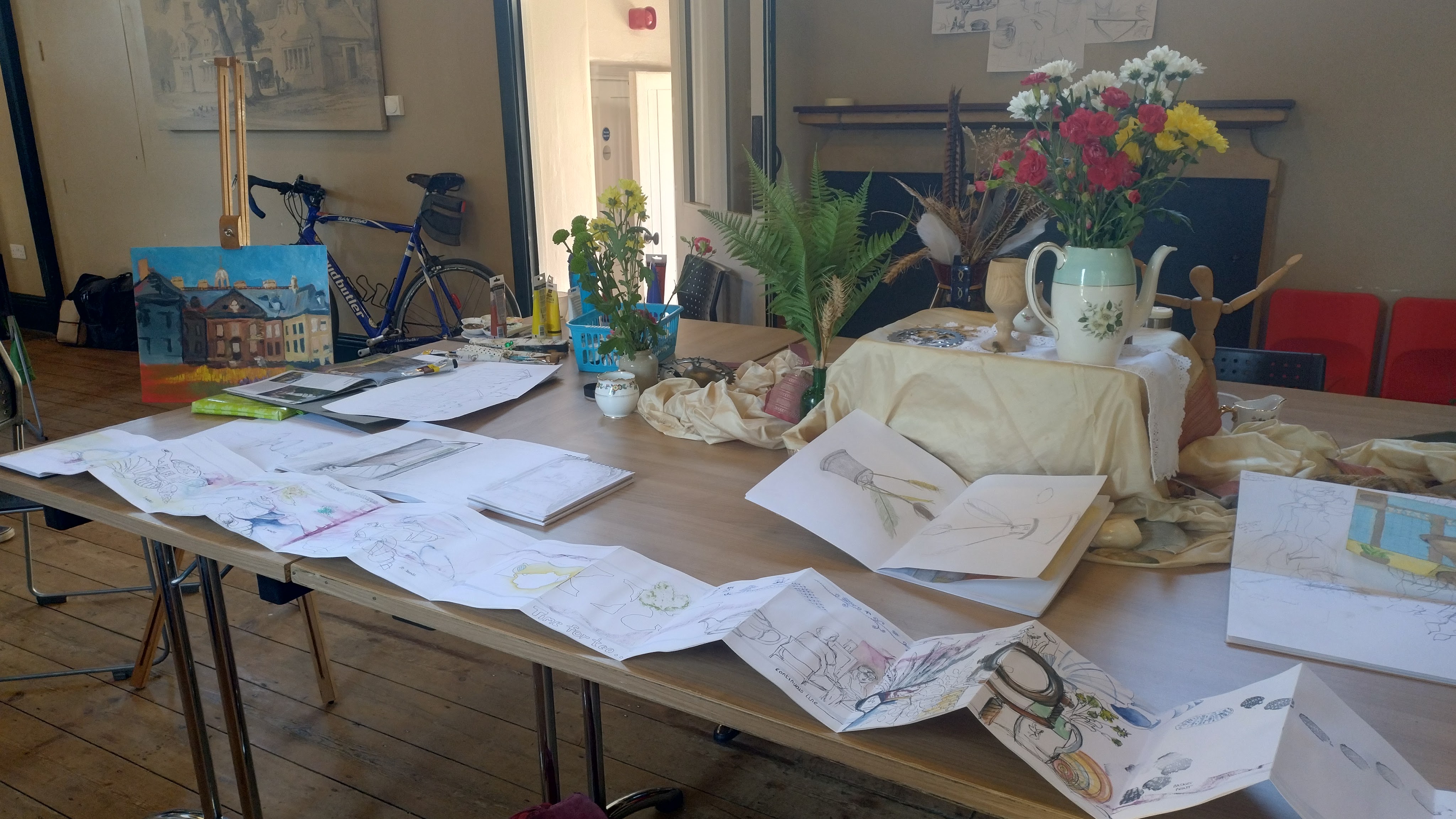
Back in the Old School Room, one painted, another experimented with an assemblage of views; someone else made a series of small details sketched from around the place, and another produced a long strip of drawings merging into each other across the whole weekend. There was an array of interesting objects to draw from for those who wanted to stay in our base, and plenty of tasty things to eat and drinks to keep us cool through the weekend.

On this weekend we start drawing together, and then paths diverge as each of us reacts differently to the space, according to what draws our attention, what we feel like exploring, and what media we want to use.

Consider joining us next year, around the end of July, for some quiet drawing time, somewhere beautiful, in a small supportive group.

On Finding Inspiration In A Place

A new place can be a fresh inspiration in art. It’s easier to see what’s really there and feel curious and interested in a scene which you’ve never seen before – there’ll be fewer existing assumptions or pre-conceived ideas about it. You can enjoy that child-like experience of exploring and discovering, and it’s also an opportunity to find out what you’re interested in, so that you can consciously pay more attention to that.

How to find out what interests you? Start by wandering, and absorb. Let yourself relax, let what’s there flood in without judgment. Be curious and playful and notice where you want to look more closely.

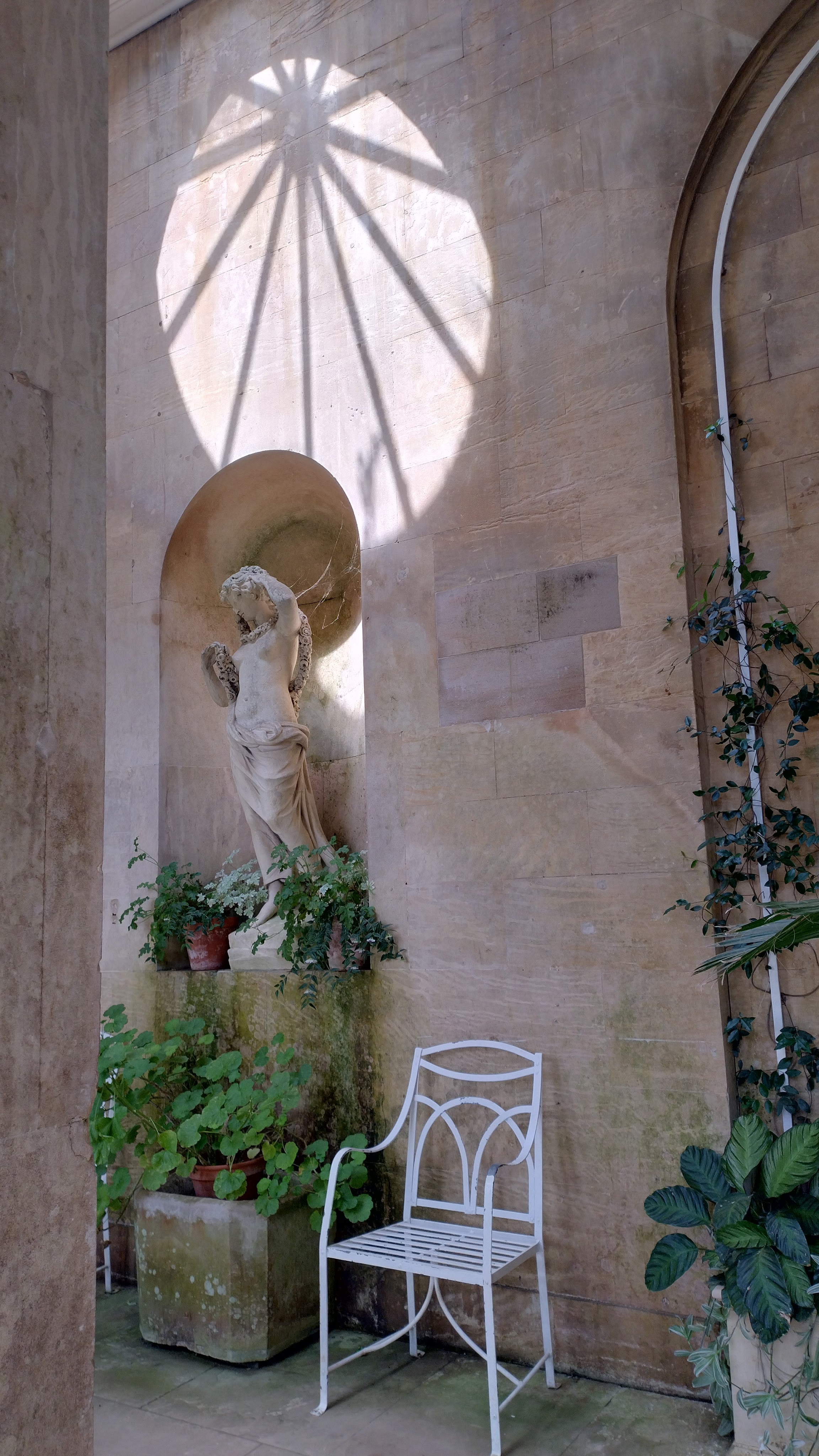
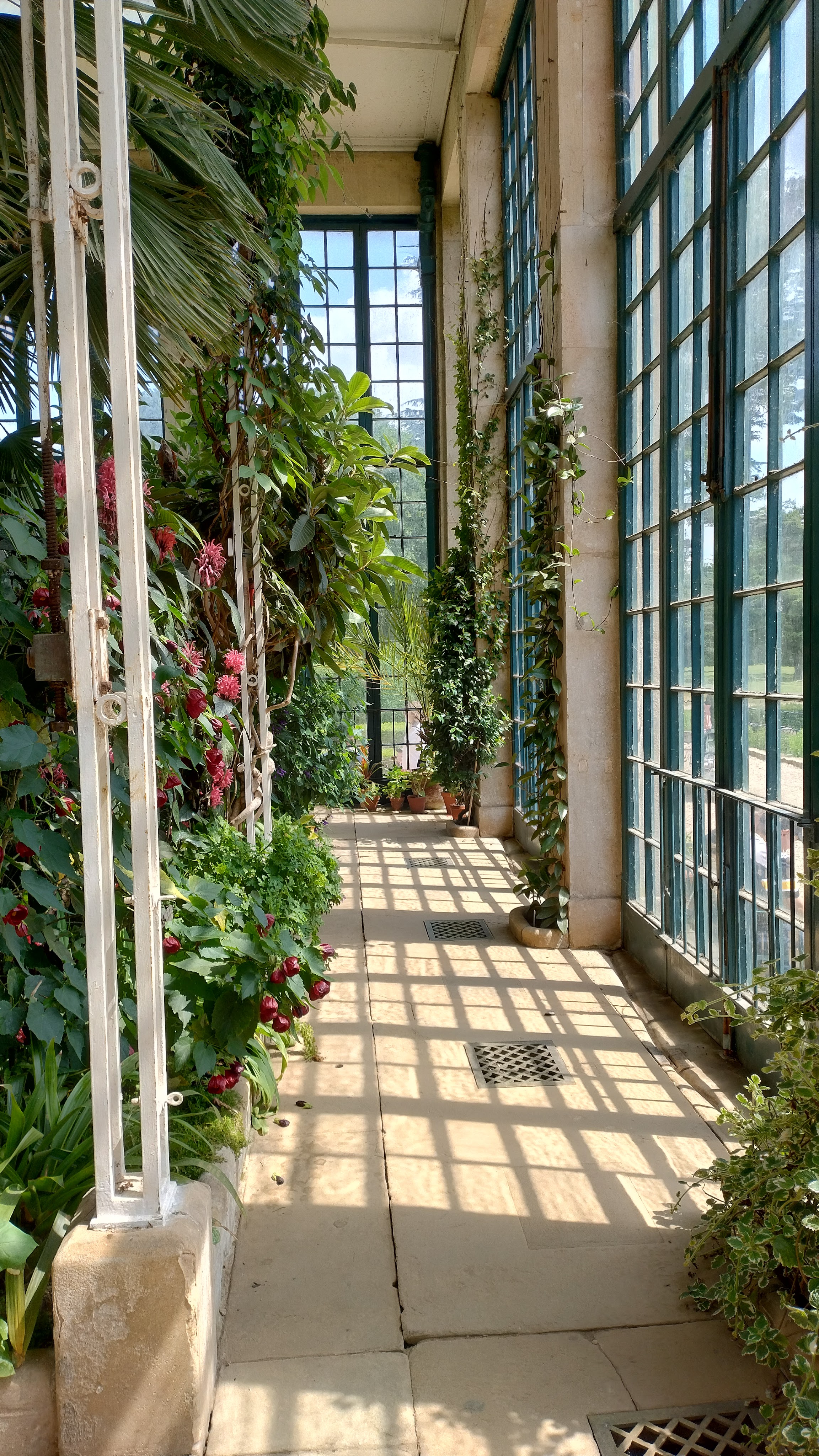
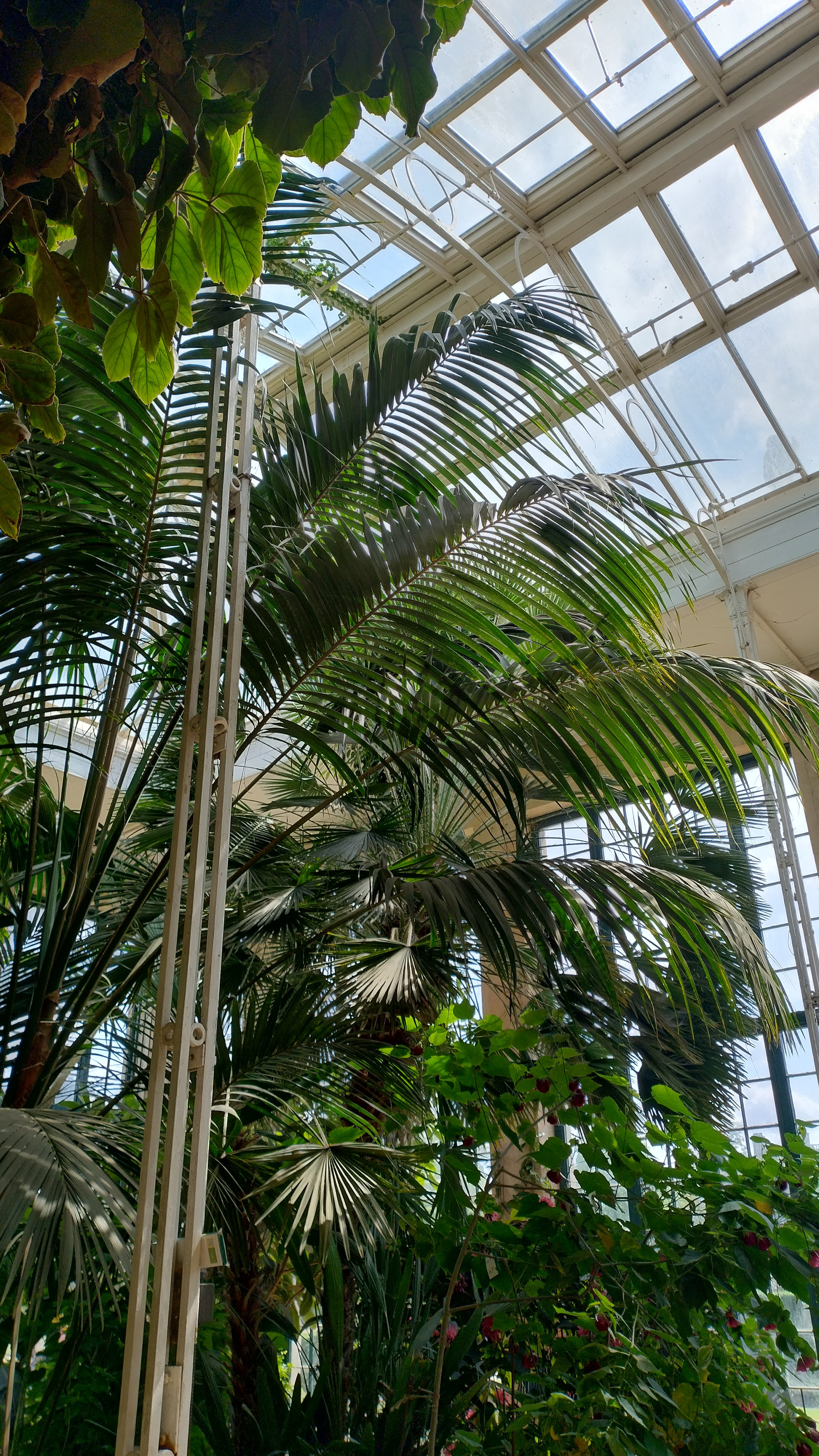
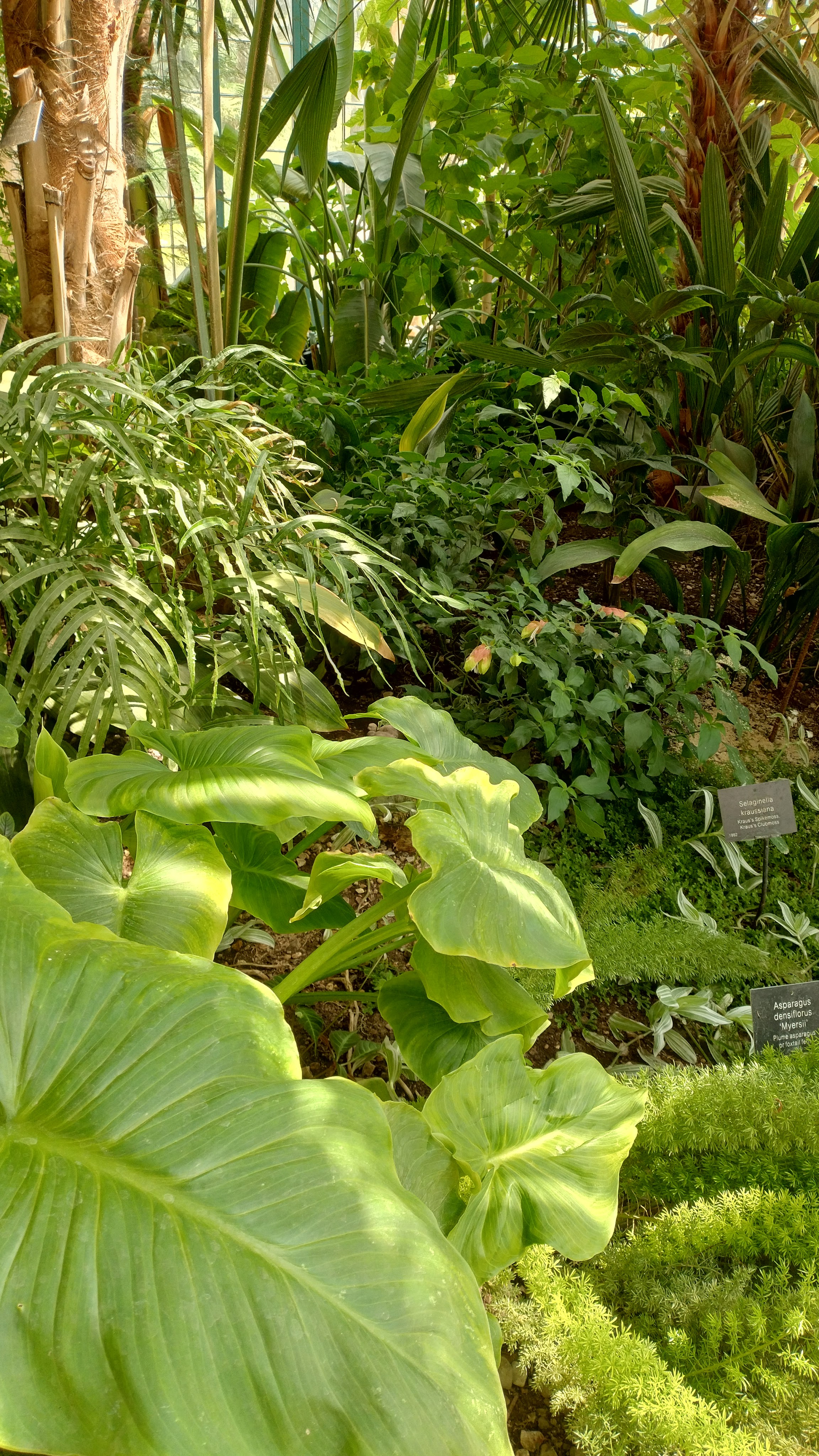
Wandering around the gardens at Belton, I found interesting contrasts and effects of light, patterns of foliage, shadows, different shapes, colours and strange things. The iron architecture of the conservatory gives structure to the green lushness and contrasts of the planting within. Windows give a frames work and let in light creating patterns on the walls and floor. It’s a sheltered indoor contained world of rare things, full of interest fro tiny details to how all the parts relate.

We will be playing with this process of drawing inspiration on the in-person drawing weekend I’m running in July. This year it’s located at Belton estate in Grantham, Lincolnshire. We’ll be based in the spacious and quiet venue of the old School in Belton village, and have access to the grounds and house of the estate.

Particpants in previous years have valued the time, space and supportive atmosphere of this yearly drawing event. It’s flexible so that your csan pursue your own interests throught eh weekend, but we will start together and you can get guideance on your develop through the weekend. There are opportunities to socialise as well.

To find out more, and register your interest, follow the link below.

On Staying in: Finding objects to Draw

It’s mid-winter, and bitterly cold where I am. Snow, floods and ice are not enticing me out right now. It’s time to wrap up in blankets, get a hot drink and look for indoor inspiration.

Drawing objects involves the same sort of decisions as any subject matter, in terms of shapes, space, colour and tone, contrasts, mood, balance, harmony and feeling. It’s also very accessible, and has a long pedigree stretching back into the past -artists have used objects from their surroundings as vhicles for their image making for ever. When you’re drawing at home, or joining me for a class, it pays to spend a bit of time gathering objects together which will be interesting to you, and provide opportunities for interpreting textures, exploring modelling, contrasts, and tone and colour.

Start with objects already around your home, in different shapes, sizes and textures. Anything is fair game for drawing! -a shoe, a candle stick, a cabbage, a bottle, a crumpled pillow case, the aftermath of dinner. Get curious about it, even if you’ve seen it a hundred times. Have you really looked, at the shapes, the surface, the angles? How could you indicate that texture, mix that colour?

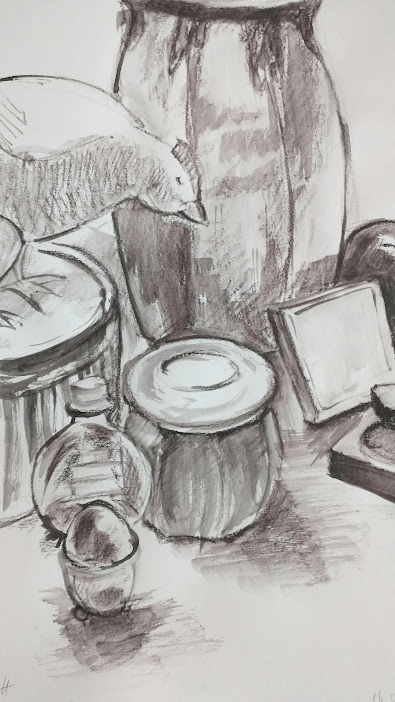
Objects organised in groups give you more to see and interpret, and are a way to begin playing with composition. In this grouping, there are a few ceramic pots with similar shapes but quite different sizes (repetition); there are contrasts of texture (variety), and the objects are grouped in such a way that the eye travels through them, they relate, like group of friends having a conversation.

Some artist stick with the same obects which appear over and over in their work through their life. Ben Nicholson’s striped and spotted jugs and mugs appear over and over throughout his art, but over time they transformed, he interpreted them afresh. You can read more about his still life collection here, at the Pallant House Gallery website.

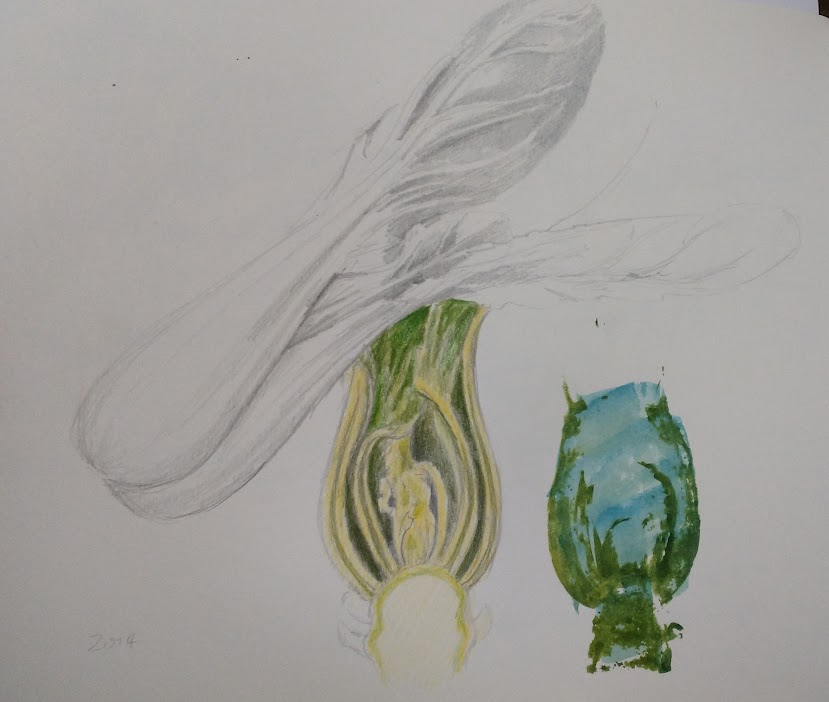
This idea might horrify you though. If you’ve been drawing the same things for years and are feeling stale, try looking eleswhere in your home for objects you haven’t spent time looking at. The veg drawer in the fridge is a good source of change (and often decay!) – there are often things in there or the fruit bowl in various states of freshness, and perhaps it changes by season and even variety. Apples will certainly change variety through the winter, with russets in autum, golden yellow matt skin, through to deep red flecked ones which are appearing now. You can cut and slice your fruit and vegetabels in different ways to create a new view. Below: Pak choi, drawing in graphite, sliced in half and observed in coloured pencil, then printed. The remains went in the stir-fry.

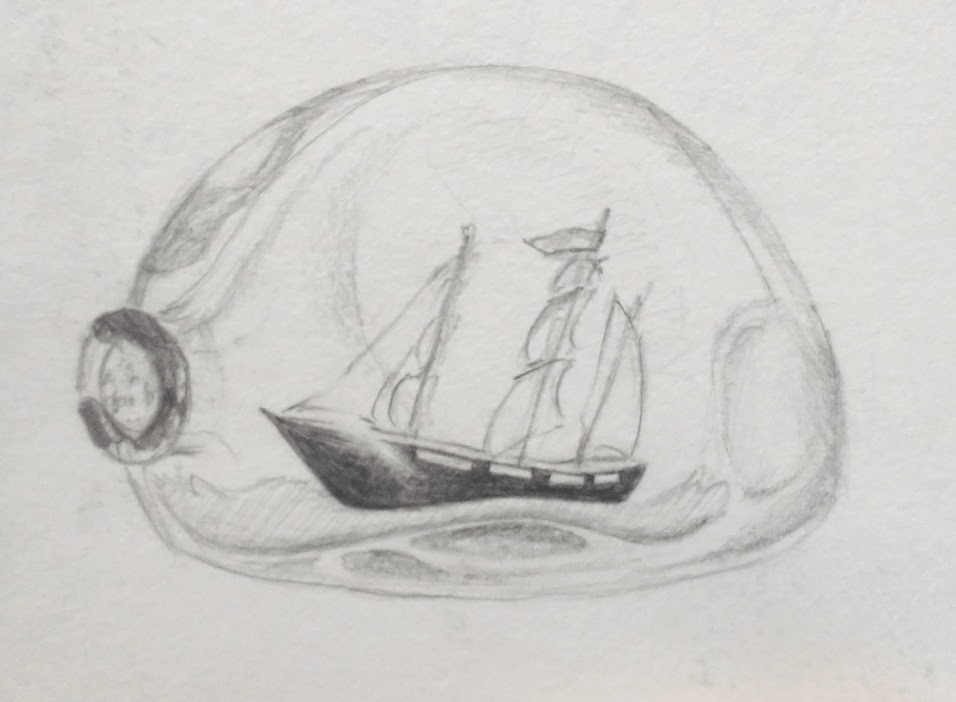
Small ornaments can make a good study by themselves. You never know how they may become involved in something else later on… like the animated objects in the 2017 Disney film of Beauty and the Beast (director Bill Condon), your possessions might take on imagined a life of their own.

JOIN IN: from 9th January 2025, Thursday Drop in Drawing at 7.30 PM London Time. Click here to find out more.